

Pure, Great-Tasting Drinking Water for the RGV
Reverse Osmosis Systems — Under-Sink & Whole-Home Drinking Stations
Treviño Repairs installs and services reverse osmosis (RO) systems that deliver clean, refreshing water at your kitchen sink—and to your fridge/ice—without the hassle of bottles. We size the system for your water pressure and usage, set up proper air-gap drainage, and offer options like remineralization, tankless RO, permeate/booster pumps, and UV add-ons (when appropriate)—all with neat, code-compliant plumbing for your Rio Grande Valley home or business.
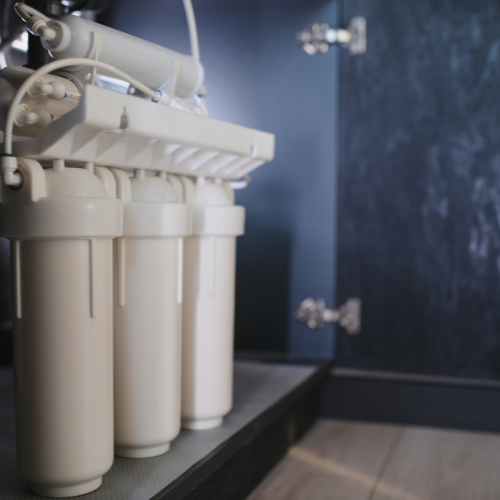
Right System, Clean Install—RGV Wide
Services for Reverse Osmosis Systems
We design RO solutions around your goals (taste, coffee/tea, baby formula, ice clarity) and plumbing layout. After a quick water/pressure review (and lab testing if desired), we recommend the right configuration and perform a tidy install with labeled shutoffs and simple maintenance.
We install & replace:
- Under-sink RO (3–5+ stages), tank or tankless high-flow
- Remineralization cartridges for balanced taste/pH
- Booster pumps for low pressure; permeate pumps for better efficiency
- Dedicated RO faucets (air-gap/non-air-gap) and fridge/ice feeds
- Post-RO UV (when indicated, e.g., select well applications)
- Filter/membrane changes, sanitization, leak diagnostics, TDS checks
Code items & best practices (as applicable):
- Proper air-gap drain connection; secure drain saddle & trap placement
- Food-grade tubing, clean routing, drip tray/leak alarm (optional)
- Dedicated angle stop with labeled shutoffs; pressure verification (ideally 50–80 psi)
- Neat mounting, tank support, and clear service access
Upgrades & options:
- Fridge/ice line from RO with inline post-filter
- Tankless RO for higher flow/less under-sink footprint
- Sediment/carbon pre-filtration upstream for longer membrane life
- Annual service plan with filter reminders & TDS documentation
RO Basics, TDS, and Remineralization — RGV Guide
Reverse osmosis pushes water through a semi-permeable membrane, reducing dissolved solids (TDS) like salts, many metals, and nitrates for crisp taste. Pre-filters (sediment + carbon) protect the membrane by catching grit and reducing chlorine/chloramine; a post-carbon “polish” improves flavor. Many homeowners add remineralization for a smoother taste and balanced pH—great for coffee and ice. If line pressure is low, a booster pump improves flow and quality; a permeate pump can cut waste and speed tank fill. RO is for drinking/cooking; for whole-home taste/odor or scale control, pair RO with carbon filtration and/or a water softener.
Note: For specific contaminants (e.g., well water or specialty concerns), use lab testing and certified solutions; RO is a strong foundation, and UV can be added when appropriate for targeted microbial protection.
Know the Warning Signs in the Rio Grande Valley
When to Add or Upgrade Reverse Osmosis
Strong chlorine/chloramine taste or odors, cloudy ice, metallic flavors, high TDS readings, scale on kettles/coffee makers, or reliance on bottled water are all cues. If your current RO is slow, noisy, leaks, tastes flat, or shows TDS creeping up, it likely needs filters/membrane, pressure help, or a modern tankless/booster upgrade. Treviño Repairs will check pressure/TDS, inspect the install, and recommend the right RO path for your RGV kitchen.
What to Expect with Treviño Repairs
Our Reverse Osmosis Installation Process
Assess & Options. Review goals (taste/ice/coffee), measure pressure/TDS, choose tanked vs. tankless, remin, and any fridge feed; clear pricing.
Protect & Prep. Shut off safely, set drop cloths, plan faucet location, mounting, and drain route with air gap.
Mount & Plumb. Install RO bracket/tank (or tankless unit), dedicated angle stop, and labeled shutoffs; run fridge line if chosen.
Drain & Faucet. Install air-gap RO faucet, secure drain saddle at the trap, and route tubing neatly with strain relief.
Power/Pressure Aids. Add booster or permeate pump when indicated; verify transformer/outlet as needed.
Flush & Commission. Pressurize, leak check, flush carbon fines/membrane per spec, record baseline TDS/pressure, and label change intervals.
Clean Up & Walkthrough. Tidy the area, review filter schedule, shutoffs, and fridge feed care; provide a simple maintenance sheet.
Real Stories. Real Results.
What Our Customers Are Saying
Reverse Osmosis System Questions, Answered
Straightforward answers before you book—symptoms, costs, fixes.
Tank or tankless—what should I choose?
Tank systems are proven, compact, and affordable; tankless offers higher flow and fresh-on-demand water but needs adequate pressure/power. We’ll size it to your space and usage.
How often do I replace filters and the membrane?
Typical cadence: sediment/carbon 6–12 months, post-carbon 12 months, RO membrane ~2–3 years (depends on water quality and usage). We label dates and can remind you.
Will RO remove chlorine and improve taste?
Yes—carbon stages reduce chlorine/chloramine and RO lowers TDS; most people notice cleaner taste and clearer ice. Add remineralization if you prefer a smoother, less “flat” profile.
Does RO waste water?
Some water goes to drain while purifying. Permeate pumps and modern membranes improve efficiency. We’ll set realistic expectations and options to reduce waste.
Can you feed my refrigerator/ice maker from RO?
Absolutely. We can run a line from the RO to the fridge and add an inline post-filter. Ice looks clearer and tastes better.