

Keep Your Heat Safe & Efficient in the Rio Grande Valley
Heating Maintenance & Inspection
Stay ready for cool RGV nights with a seasonal heating maintenance and safety inspection. Treviño Repairs services gas furnaces, heat pumps, electric air handlers/heat strips, and ductless mini-splits—cleaning key components, verifying airflow, checking safeties, and confirming proper temperature rise/defrost so your system runs quietly, efficiently, and safely. Expect clear readings, neat workmanship, and straightforward recommendations that extend equipment life and help prevent breakdowns.
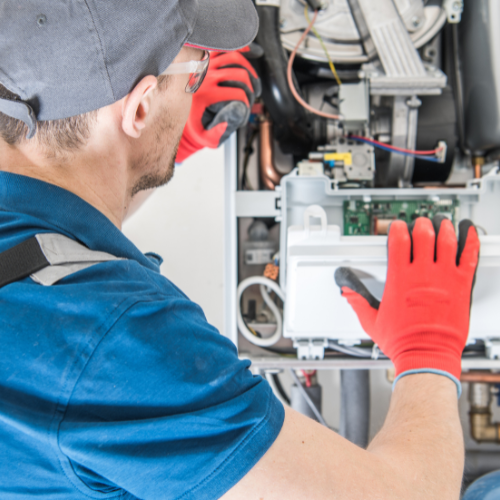
Proactive Care, Lower Bills—RGV Wide
Services for Heating Maintenance & Inspection
We perform a thorough tune-up and inspection that improves comfort, protects equipment, and documents system health. After a quick baseline, we clean critical parts, measure performance (not guess), and provide simple, prioritized options—what to fix now versus what to plan later.
Our tune-up & inspection includes:
- Airflow: filter check, return/duct review, blower speed & static pressure measurement
- Gas furnaces + AC/coil (single/two-stage & variable-speed)
- Electric air handlers with heat strips
- Ductless mini-splits (heating & cooling)
- Package units/rooftops (light commercial)
- Smart thermostats (wiring/adapters as needed)
Code items & best practices (as applicable):
- Verify breaker/disconnect/whip sizing and grounding
- Confirm venting/clearances & combustion air; correct PVC condensate routing (90%+)
- Proper drain termination (trap/air gap) and secondary pan where required
- Label access panels; note corrections for inspection readiness
Upgrades & options:
- Deep-clean blower/indoor coil (if impacted)
- High-MERV media cabinet or filter-size correction
- Smart thermostat wiring/C-wire add
- Duct sealing/balancing, added returns
- Surge protection (heat pumps), float switch/secondary pan adds
Airflow, Combustion & Condensate — The Big Three
Reliable heat depends on three fundamentals. Airflow: correct blower speed and low static pressure keep temperature rise in range and prevent limit trips. Combustion/defrost: furnaces need stable gas pressure, proper ignition, and clear venting; heat pumps need clean coils, good charge, and a working defrost cycle to avoid icing. Condensate management: 90+ furnaces and air handlers must drain cleanly—blocked traps and pumps cause shutdowns and water damage. Our heating tune-up measures and fixes these first principles so comfort and efficiency follow.
Know the Warning Signs in the Rio Grande Valley
When to Schedule Heating Maintenance (or Sooner)
Lukewarm air or short-cycling, frequent breaker trips, rooms that never reach setpoint, burning/gas odors, noisy starts or blower squeal, frost that doesn’t clear on a heat pump, water near a 90+ furnace, or rising winter bills are all red flags. If there’s no heat, book repair diagnostics first; if the system runs but underperforms—or it’s been 12 months—schedule a heating maintenance & inspection.
What to Expect with Treviño Repairs
Our Heating Maintenance & Inspection Process
Assess & Baseline. Confirm model, recent issues, filter condition, and thermostat settings; record initial temps/pressures.
Protect & Prep. Shoe covers, drop cloths, safe shutoffs, and clean panel access.
Clean & Clear. Rinse outdoor coil (as accessible), inspect indoor coil/blower; clear/flush condensate trap/line, test pan/pump/float.
Airflow Check. Measure static pressure, set blower speeds, verify returns/supply airflow; confirm temperature split/temperature rise target.
Electrical & Controls. Test capacitors/contactors/relays, motor amps/voltage, board/limits; verify thermostat calls, staging, and aux heat logic.
Combustion/Heat Pump Performance.
Furnace: inspect burners/igniter/flame sensor, inducer & pressure switch, verify gas pressure and venting, confirm temperature rise.
Heat pump/ductless: check defrost operation, reversing valve, outdoor fan, and superheat/subcooling where applicable.
Report & Recommendations. Provide readings/photos, note code/safety items, and offer clear “fix now vs. plan later” options tailored to your RGV home or business.
Real Stories. Real Results.
What Our Customers Are Saying
Heating Maintenance & Inspection Questions, Answered
Straightforward answers before you book—symptoms, costs, fixes.
How often should I service my heating system?
At least once per year before cooler weather. Combo systems in dusty or high-use homes may benefit from semi-annual checks.
What’s the difference between maintenance and repair?
Maintenance is preventive cleaning/testing to keep performance and safety in line. Repair targets a fault stopping heat now. If there’s no heat, start with repair diagnostics.
Do you check for carbon-monoxide risks?
We verify combustion air, venting, flame quality, and temperature rise on furnaces and can perform ambient CO checks on request. We also recommend CO detectors near sleeping areas.
Will you adjust refrigerant on a heat pump during maintenance?
Only if performance readings indicate a problem and after addressing leaks or restrictions. We confirm with superheat/subcooling—no blind “top-offs.”
How long does a heating tune-up take?
Typically 60–90 minutes per system, longer if coils are dirty or condensate systems need extra work.