

Keep Your AC Running Strong in the Rio Grande Valley
Cooling Maintenance & Tune-Ups
RGV heat and humidity punish air conditioners. A seasonal AC maintenance/tune-up keeps your system efficient, quiet, and reliable by catching issues early—dirty coils, weak capacitors, clogged drains, low airflow—before they become breakdowns. Treviño Repairs services central AC, heat pumps, and ductless mini-splits with a thorough checklist and clear, no-surprise recommendations so your home or business stays comfortable all summer.
Proactive Care, Lower Bills—RGV Wide
Services for Cooling Maintenance & Tune-Ups
We perform a comprehensive tune-up that improves comfort and protects equipment. After a quick system review, we clean, test, and document performance—then give you simple, prioritized options (fix now vs. plan later). In RGV heat and humidity, this preventive service helps maintain efficiency, reduce breakdowns during peak season, and extend system life. You’ll get clear readings, photos where helpful, and practical next steps so you can plan with confidence.
Our tune-up includes:
- Airflow: filter check, blower speed/static pressure, duct/return inspection
- Coils: condenser rinse and indoor coil inspection (cleaning if accessible)
- Drain service: clear/flush condensate line, trap clean, test float switch
- Electrical: test capacitors/contactors, tighten terminations, measure motor amps & voltage
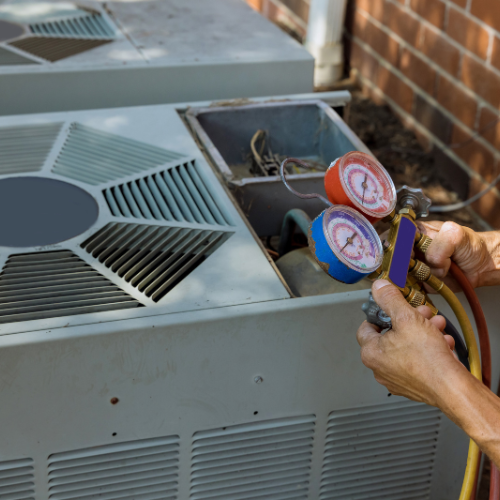
- Refrigerant performance: delta-T and superheat/subcooling verification (no guesswork)
- Thermostat/controls: calibration check, cycle test, safety interlocks
- Documentation: readings, photos (as helpful), and maintenance report
Code & best practices (as applicable):
- Verify breaker/disconnect/whip size and grounding
- Confirm condensate safety (secondary pan/float switch)
- Check clearances and pad/level of the outdoor unit
- Recommend surge protection for condensers where appropriate
Helpful add-ons & options:
- Blower wheel/evaporator deep cleaning (if impacted)
- High-MERV media filter cabinet upgrades
- UV/coil light for cleaner indoor coils
- Duct sealing/balancing, return air additions
Airflow, Drainage & Charge — The Three Pillars
Efficient cooling depends on airflow across a clean coil, a clear condensate drain so the system can dehumidify without leaks, and correct refrigerant charge confirmed by superheat/subcooling—not guesswork. In the RGV, algae and dust clog drains and coils quickly, raising pressures, spiking energy use, and shortening compressor life. A proper tune-up measures and corrects all three, then verifies results with temperature split and electrical tests.
Know the Warning Signs in the Rio Grande Valley
When to Schedule a Tune-Up (or Sooner)
Warm or uneven rooms, long runtimes, ice on the lines, musty odors or water near the air handler, breaker trips, rising bills, noisy fans, or frequent thermostat adjustments all point to overdue maintenance. If the system isn’t cooling at all, book repair diagnostics; if it runs but underperforms—or it’s been 6–12 months—schedule a tune-up.
What to Expect with Treviño Repairs
Our Cooling Maintenance & Tune-Up Process
Assess & Baseline. Confirm model, recent issues, and thermostat settings; record initial temps and pressures.
Protect & Prep. Shoe covers, drop cloths, safe disconnects, and panel access.
Clean & Clear. Rinse condenser coil; inspect indoor coil and blower; clear/flush condensate line, clean trap, test float switch.
Airflow Check. Inspect filter/returns, set blower speed, measure static pressure and temperature split (delta-T).
Electrical & Controls. Test capacitors/contactors, tighten terminations, check motor amps/voltage, and verify control operation.
Refrigerant Performance. Verify superheat/subcooling and system balance; if readings indicate a leak or restriction, advise next steps.
Report & Recommendations. Review findings with photos/readings, note any code/safety items, and provide simple, prioritized options.
Real Stories. Real Results.
What Our Customers Are Saying
Cooling Maintenance & Tune-Up Questions, Answered
Straightforward answers before you book—symptoms, costs, fixes.
How often should I schedule maintenance?
At least once a year before peak heat; many RGV homes benefit from spring and late-summer checks due to humidity and long runtimes.
What’s the difference between a tune-up and a repair?
A tune-up is preventive cleaning/testing to keep performance up. A repair targets a fault stopping cooling now. If it’s not cooling, start with repair diagnostics.
Do you add refrigerant during maintenance?
Only when diagnostics indicate it and after addressing leaks or restrictions. We confirm charge by superheat/subcooling—no topping off blindly.
Will you deep-clean the indoor coil and blower?
We inspect both every tune-up. If impacted, we’ll quote a proper coil/blower cleaning (access method depends on your system).
How long does a tune-up take?
Typically 60–90 minutes per system, longer if coils are very dirty or drains are clogged.